High-Risk Dyslexia Screening Results: A Parent's Action Guide
Your child just received a high-risk dyslexia screening result. What does this mean? Your stomach drops. Your mind races with questions: "Is this definite?" "What do I do now?" "Did I miss the signs?" You're not alone – this moment of uncertainty is where powerful support begins. Understanding your next steps can transform this result into a roadmap for unlocking your child’s reading potential. Take a breath and start your action plan here.

Understanding Your Dyslexia Screening Result
Receiving a high-risk dyslexia screening outcome can feel overwhelming. Let’s break down what it truly means and how to process this information.
Screening vs. Diagnosis: What the Results Really Mean
A high-risk result from a free online dyslexia test indicates potential reading challenges – not a confirmed diagnosis. Screening tools assess key indicators:
- Phonological processing difficulties
- Challenges with rapid naming
- Working memory limitations
- Persistent spelling errors
Think of this as a "check engine light" prompting further investigation. A clinical diagnosis requires comprehensive testing by a qualified specialist.

What "High-Risk" Actually Indicates: Key Red Flags
Your child’s results suggest they may struggle with:
- Sound-symbol recognition: Difficulty connecting letters to sounds
- Reading fluency: Slow, labored reading compared to peers
- Decoding challenges: Trouble breaking down unfamiliar words
- Spelling inconsistencies: Frequent letter reversals beyond age 7
These markers help identify where targeted support can make the greatest impact.
Common Parent Reactions: Normalizing Your Feelings
- Guilt ("Did I wait too long?")
- Fear ("Will they fall behind?")
- Confusion ("Where do we go from here?")
When Sarah noticed her 7-year-old son kept writing letters backwards, she initially dismissed it as "just a phase." After a high-risk screening, she learned this was a common indicator. "The relief came from knowing what we were facing," she shares. "Once we had a name for his struggles, we could find the right tools." These emotions are normal. Your awareness now positions you to help your child thrive – research shows early intervention significantly improves outcomes.
Taking Action After a High-Risk Dyslexia Test
A structured approach reduces stress and accelerates support. Follow this step-by-step guide:
Step 1: Talking to Your Child Supportively
- DO: "Your brain learns reading differently – we’re going to find strategies that work for you!"
- DON’T: "You failed a test" or "You have a problem"
- Use our child-friendly explanation: "Some brains are racecars for reading, yours is a deep-sea explorer – both are amazing!"
Step 2: Gathering Evidence: What Documents to Collect
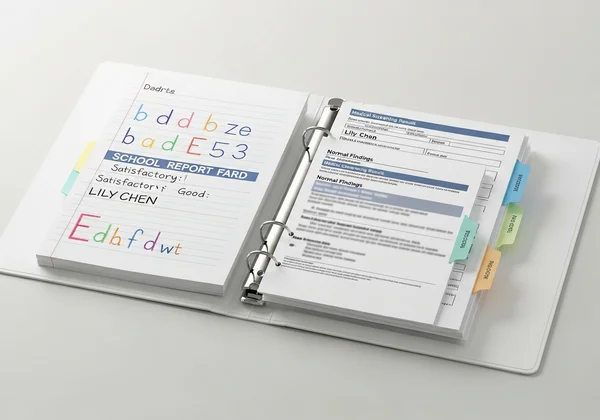
Create a dyslexia documentation folder with:
-
School report cards highlighting reading/spelling concerns
-
Teacher notes about classroom struggles
-
Samples of reversed/inconsistent writing
-
Your dyslexia screening results from your digital screening report
-
Notes about family history of learning differences
Step 3: Crafting an Email to Your Child’s Teacher
Use this template (customize bracketed information):
Subject: Concerns About [Child’s Name]’s Reading Development
Dear [Teacher’s Name],
Our recent dyslexia screening indicated [Child's Name] may benefit from additional reading support. I’ve noticed [specific examples: difficulty with vowel sounds, slow reading fluency]. Could we schedule a time to discuss:
- Classroom observations of [Child’s Name]’s reading - Recommended next steps for evaluation - Temporary supports we might try?
Thank you for partnering with us to help [Child’s Name] succeed.
Sincerely, [Your Name]
Step 4: Finding a Qualified Specialist: Your Referral Checklist
Seek professionals with:
- Certification in educational psychology or neuropsychology
- Experience diagnosing dyslexia specifically
- Assessment tools like CTOPP-2 or WIAT-IV
- Knowledge of evidence-based interventions like Orton-Gillingham
Navigating School Support for Your Child
Understanding educational rights transforms advocacy efforts. Your child may qualify for:
Understanding Your Rights: IEPs and 504 Plans
- IEP (Individualized Education Program): For children needing specialized instruction
- 504 Plan: Accommodations for students needing access modifications
- Key laws: IDEA (Individuals with Disabilities Education Act) and ADA
Preparing for a School Meeting: Parent Success Strategies
- Bring three copies of your documentation folder
- Focus on specific needs: "Ruby needs extra time for reading assignments"
- Use "we" language: "How can we help Ruby access the curriculum?"
- Request written notes of agreed-upon actions
Effective Accommodations for the Classroom
Research-backed supports include:
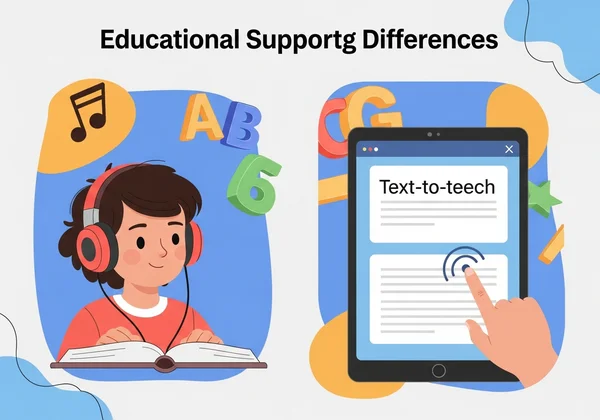
- Audiobook alternatives to printed texts
- Speech-to-text software for writing assignments
- Multisensory phonics instruction
- Extended time for reading-heavy tests
- Preview/Review of key vocabulary
Explore our parent resources for more support strategies and feel prepared for your next school meeting.
You're Already on the Right Path
Receiving a high-risk dyslexia screening result can feel overwhelming, but your response—seeking information and taking action—demonstrates your commitment to your child's success. This is not a label of limitation, but a signpost pointing toward the right kind of support. By understanding the results, gathering information, and advocating for your child, you are transforming this challenge into an opportunity for growth.
Remember: Dyslexia doesn’t limit potential. With the right tools, dyslexic thinkers often excel in problem-solving, creativity, and big-picture reasoning. You have taken the first, most important step. Now, continue forward with confidence. Explore our educator-approved support strategies to empower your child on their learning journey.
Frequently Asked Questions After a High-Risk Screening
Is a high-risk screening result the same as a dyslexia diagnosis?
No. Screening identifies potential risk factors requiring further evaluation. Formal diagnosis involves comprehensive testing by specialists like an educational psychologist.
How quickly should I seek a formal evaluation after a high-risk result?
Ideally within 1-2 months. Early intervention has the greatest impact, but finding the right professional is more important than speed. Use our guide to find qualified professionals in your area.
Will my child "outgrow" dyslexia?
Dyslexia is lifelong, but its challenges become manageable with evidence-based interventions and the right accommodations. Many successful adults credit their unique cognitive strengths to their dyslexic thinking.
What is the typical cost of a formal dyslexia assessment?
Costs can range from $500-$3,000 depending on location and the specialist’s credentials. However, many school districts provide evaluations at no cost to the family. Be sure to submit your request for an evaluation in writing.
How can I support my child emotionally while navigating this process?
- Celebrate effort over perfection.
- Highlight their strengths in other areas like art, sports, or problem-solving.
- Share stories of successful dyslexic individuals like Albert Einstein or Steven Spielberg.
- Focus on building their confidence and self-esteem outside of academics.