Multilingual Dyslexia: Signs, Testing, & Support for Kids
Multilingual learning is a rewarding journey—but what if your child struggles more than expected? You might wonder: Are these challenges typical, or could they signal dyslexia? This uncertainty is a common concern for parents and educators in multilingual households. It can be difficult to tell the difference between typical language acquisition challenges and the early signs of dyslexia.
This guide is here to bring clarity and confidence to your journey. We will explore how dyslexia appears in children who speak more than one language, what specific signs to look for, and how you can take proactive steps to support them. Understanding these nuances is the first step toward unlocking your child's full potential. For many parents, a great starting point is a simple, pressure-free assessment. Our free online test is designed to provide you with initial insights and guide your next steps.

Understanding Dyslexia in Multilingual Children
Dyslexia is often misunderstood, especially in a multilingual context. It’s crucial to separate fact from fiction to ensure a child gets the right support at the right time. The core of this understanding is realizing that dyslexia is not about language fluency; it’s about how the brain processes language at a fundamental level.
More Than Just Language Delay: Defining Multilingual Dyslexia
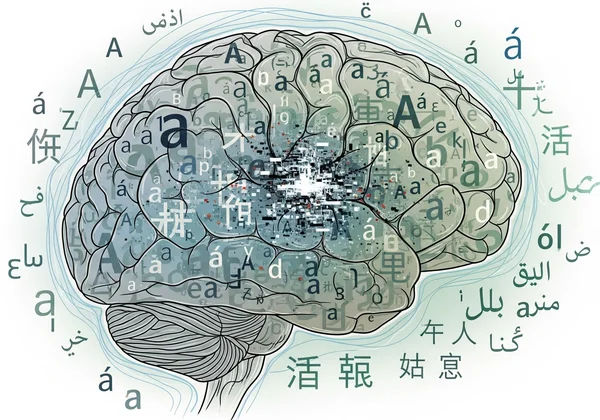
Multilingual dyslexia is not a separate type of dyslexia; it is simply dyslexia as it presents in an individual who learns and uses more than one language. At its core, dyslexia is a neurological difference that primarily affects the skills involved in accurate and fluent word reading and spelling. This difficulty stems from a weakness in the phonological component of language—the ability to recognize and work with the sounds in spoken words.
This means that a child with dyslexia will face these underlying challenges regardless of the language they are learning. It’s not a problem with their ability to learn English, Spanish, or Mandarin. Instead, it’s a difficulty with the foundational brain-based skills required to connect sounds to letters and blend them into words, a process essential for reading in any alphabetic or character-based language.
Why Early Identification is Tricky: Common Misconceptions & Pitfalls
Spotting dyslexia in multilingual children is tricky. Many signs mimic typical language-learning struggles. Parents and even teachers might mistakenly believe the child is just "confused" by the different languages or needs more time to catch up.
Common pitfalls include:
- Attributing all struggles to bilingualism: It's easy to assume that mixing up words or slow reading is just a side effect of juggling two language systems. While some confusion is normal, persistent difficulties across all languages may signal an underlying issue.
- Differences in language structure: Some languages have a more straightforward relationship between letters and sounds (like Spanish or Italian) than others (like English or French). A child with dyslexia might appear to read better in a "transparent" language, which can mask their difficulties and delay identification.
- Lack of appropriate assessment tools: Many traditional dyslexia assessments are designed for monolingual English speakers, making them less accurate for multilingual learners.
Because of these challenges, it’s vital for parents and educators to look for patterns of difficulty that persist over time and across all languages the child is learning.
Key Dyslexia Signs to Watch For Across Languages
Recognizing the signs of dyslexia is the first step toward getting a child the help they need. While every child is different, there are common patterns of difficulty that can appear at various ages. It is important to observe these signs in the context of the child's overall development and in all languages they speak and learn.
Early Signs of Multilingual Dyslexia (Ages 5–8)
In the early years, the signs of dyslexia are often related to pre-reading and foundational language skills. These difficulties will typically be present even in the child's strongest or native language.
Look for persistent challenges with:
- Phonological Awareness: Trouble recognizing rhyming words (like cat, hat, bat), clapping out syllables in a name, or identifying the first sound in a word.
- Letter-Sound Knowledge: Difficulty learning and remembering the alphabet and the sounds each letter makes.
- Word Retrieval: Frequently using vague words like "stuff" or "thing" because they can't recall the specific word they want.
- Family History: A close family member (parent or sibling) who has been diagnosed with dyslexia or has struggled significantly with reading.
Observing Dyslexia in Older Multilingual Children & Teens (Ages 9+)
As academic demands increase, the signs of dyslexia often become more apparent in reading, writing, and spelling tasks. These challenges are not a sign of low intelligence; in fact, many individuals with dyslexia are very bright and creative.
Common signs in this age group include:
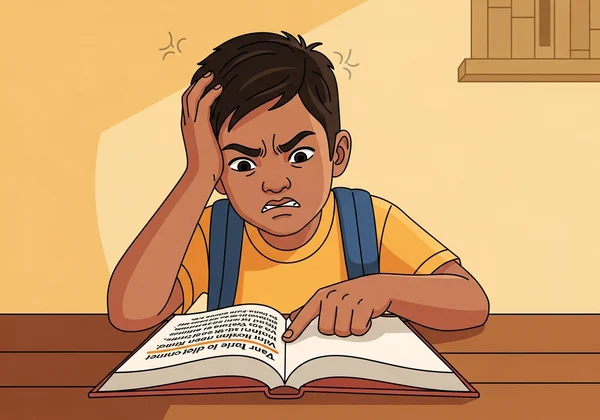
- Slow and Effortful Reading: Reading is choppy and laborious, rather than smooth and automatic. They may misread small words or guess at words based on the first letter.
- Poor Spelling: Spelling is inconsistent and often not phonetic. They might spell the same word differently on the same page.
- Difficulty with Reading Comprehension: They may struggle to remember or explain what they just read because they spent so much mental energy just trying to decode the words.
- Avoidance of Reading: They may avoid reading for pleasure and become frustrated or anxious when asked to read aloud in class.
Emotional Signs of Dyslexia in Multilingual Children
The constant struggle with reading and writing can take a significant emotional toll. It's important to look beyond the academic signs and recognize the behavioral clues that may point to an underlying learning difference. A child may feel frustrated, anxious, or develop low self-esteem because they see their peers reading with ease while they continue to struggle.
This can manifest as:
- Acting out in class to distract from a difficult reading task.
- Complaining of stomachaches or headaches to avoid going to school.
- Calling themselves "dumb" or expressing a belief that they are not smart.
These emotional signs are a critical signal that the child needs support and understanding, not just academic help.
Screening & Supporting Multilingual Learners at Risk for Dyslexia
If you've observed several of the signs mentioned above, you may be wondering what to do next. Many parents feel overwhelmed, but practical strategies exist to help you advocate for your child's success. The goal is not to label, but to empower.
When to Consider a Dyslexia Screening for Your Multilingual Child
It's time to consider a screening if you notice that your child's reading difficulties are persistent, are present across all languages they are learning, and are impacting their schoolwork or self-esteem. Trust your instincts. If you feel something is not right, it is worth exploring further. An early screening can provide clarity and set you on the path to finding the right support strategies.
The Role of Online Dyslexia Screening Tools (Like Ours)
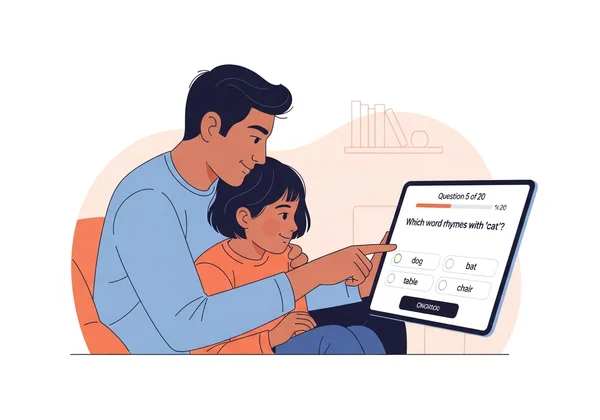
In today's digital world, an excellent and accessible first step is an online screening tool. Our research-backed screening tool serves as a valuable initial risk assessment. It is important to understand that this is a screening, not a formal clinical diagnosis.
Our free, 12-question test provides clear, objective insights. Here's how it helps:
- Identifies Risk Levels: You’ll learn if your child has a low, medium, or high risk for dyslexia, giving you a data-informed starting point.
- Offers Accessibility: You can complete it from the comfort of your home, without the cost and waiting time of a formal evaluation.
- Supports Multilingual Families: Our platform is designed with a global audience in mind, providing accessible tools for families like yours.
Taking an online dyslexia screening can give you the confidence and information needed to have a productive conversation with your child's teachers.
Advocating for Your Child: Next Steps After Screening
Once you have the results from a screening, you are in a much stronger position to advocate for your child. The goal is to build a support team that includes you, your child's teachers, and potentially school specialists.
Here are some effective next steps:
- Schedule a Meeting: Request a meeting with your child’s teacher and/or the school's learning specialist.
- Share Your Observations: Calmly share the specific signs you’ve noticed at home and the results of your screening. Frame it as a collaborative effort to help your child succeed.
- Ask Questions: Inquire about what support the school can offer, such as small group instruction or access to an educational psychologist for a formal assessment.
- Focus on Strengths: Remember to also highlight your child’s strengths and interests. Support should be about nurturing their talents as well as addressing their challenges.
Empowering Multilingual Learners: Taking the First Step Towards Understanding
If you suspect your child has dyslexia, remember: this isn't a crisis—it's an opportunity to understand their unique needs. Understanding that multilingualism does not cause dyslexia—and that the signs can be identified with careful observation—is the first, most powerful step. By separating the learning difference from the language-learning journey, you can provide targeted, effective support that honors all parts of your child's identity.
Early identification and the right strategies can make a world of difference, transforming a child’s frustration into confidence. You are your child's most important advocate, and taking this first step is the best way to start that journey.

Are you ready to gain clarity? Take the free test on our website today. It’s a quick, confidential way to get the initial insights you need to help your child thrive.
Frequently Asked Questions About Multilingual Dyslexia & Testing
How do you test for dyslexia in a child who speaks multiple languages?
Testing for dyslexia in a multilingual child should involve a comprehensive evaluation by a qualified professional, like an educational psychologist. They will assess underlying processing skills, such as phonological awareness, in all languages the child knows. An initial step for parents can be using a reliable screening test to identify potential risk factors before seeking a formal evaluation.
Are online dyslexia tests accurate for multilingual individuals?
High-quality online screening tools are designed to identify patterns of difficulty that are common indicators of dyslexia risk, regardless of the language spoken. While they are not a formal diagnosis, they are a highly accurate and valuable first step for parents to determine if a professional assessment is needed. They help flag potential issues that should be investigated further.
What are the key differences between language delay and multilingual dyslexia?
A language delay in a multilingual child often resolves with more exposure and time, and their language skills may be uneven across languages but follow a generally typical pattern. In contrast, multilingual dyslexia involves a persistent, underlying difficulty with sound-processing that affects reading and spelling in all languages. The challenges do not go away with more exposure alone.
Can schools provide support for multilingual children with dyslexia?
Yes, most schools are equipped to provide support for students with learning differences, including those who are multilingual. This can include specialized reading instruction, classroom accommodations (like extra time on tests), and access to assistive technology. Sharing results from an initial dyslexia screening can be a great way to start this conversation with the school.
How can parents best support a multilingual child at risk for dyslexia?
The best support starts with patience, encouragement, and celebrating their strengths. At home, focus on making reading fun through audiobooks and games that build sound awareness. Advocate for them at school to ensure they receive evidence-based instruction. Most importantly, remind them that dyslexia has nothing to do with their intelligence and that they can achieve great things.