Dyslexia Support at Home: Daily Routines for Reading Success and Growth
Does your child with dyslexia struggle with morning routines, homework time, or reading sessions? You're not alone. Many parents find that the usual approaches often lead to frustration and tears for everyone involved. The good news is that with the right structure and strategies, you can transform these challenging moments into opportunities for growth and connection.
This guide provides practical, evidence-based daily routines designed specifically for children with dyslexia. These tips can help reduce frustration while building essential literacy skills in a supportive, encouraging way. By implementing these strategies, you can create a dyslexia-friendly home where your child can truly thrive.
Understanding your child's specific reading challenges is a crucial first step. Our free dyslexia screening can provide valuable insights to help you tailor these routines to their unique needs.
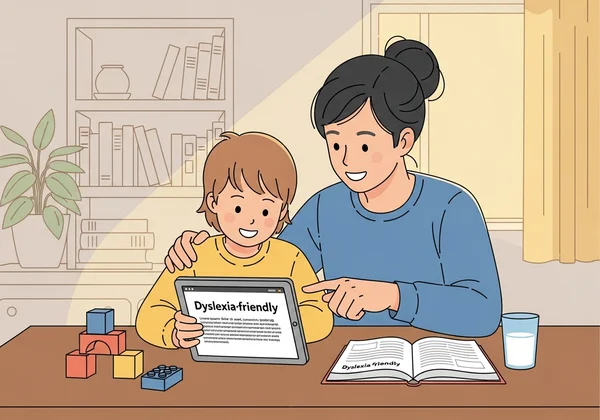
Effective Dyslexia Support: Daily Routines for Reading Success
Before diving into specific routines, it's helpful to understand why daily life can be so challenging for children with dyslexia. It's not about a lack of effort or intelligence. Dyslexia is a neurological difference that affects language processing. This has a ripple effect on tasks that seem simple to others, like organizing a backpack or following a multi-step instruction.
Why Standard Routines Fail for Children with Dyslexia
Traditional routines often rely heavily on memory, sequencing, and rapid processing of verbal or written instructions. A parent might say, "Go upstairs, brush your teeth, get dressed, and then come down for breakfast." For a child with dyslexia, this string of commands can be overwhelming. They might forget the sequence, mix up the steps, or get distracted along the way.
Similarly, a written checklist might not be effective if the child struggles to read it quickly and accurately. This can lead to a cycle of reminders, frustration, and a feeling of failure for the child, even when they are trying their best to comply. The issue isn't defiance; it's a mismatch between the task's demands and their cognitive processing style.
The Connection Between Executive Function and Dyslexia
Executive functions are the mental skills we use to manage time, pay attention, and get things done. These include working memory, flexible thinking, and self-control. Many individuals with dyslexia also experience challenges with executive functions.
This connection explains why children with dyslexia often struggle with tasks like starting homework, keeping their room tidy, or remembering to bring their lunch to school. The issue isn't limited to reading and writing. The mental effort required to decode words throughout the school day can leave them exhausted. This fatigue makes it even more difficult to handle organizational tasks when they get home. Creating structured, predictable, and visually supported routines helps ease this cognitive load.
Dyslexia-Friendly Morning Routines: Reducing Stress and Building Independence
Mornings can be one of the most stressful times of the day for families. Rushing against the clock while trying to manage multiple tasks is a recipe for conflict. A dyslexia-friendly morning routine focuses on predictability, visual aids, and breaking tasks into manageable steps to foster independence and reduce stress.
The 15-Minute Preparation Strategy for Stress-Free Mornings
The secret to a smooth morning often starts the night before. Dedicate just 15 minutes each evening to prepare for the next day. This simple habit can drastically reduce morning chaos.
- Pack the Backpack: Go through a checklist together. Are homework, books, and gym clothes packed?
- Choose the Outfit: Lay out clothes for the next day, right down to the socks and shoes. This eliminates decision-making when time is tight.
- Review the Schedule: Briefly talk about what’s happening tomorrow. "Remember, you have library tomorrow, so your books are in your bag."
This strategy reduces the number of tasks and decisions your child has to handle in the morning, freeing up their mental energy.
Visual Schedules That Work for Dyslexic Learners
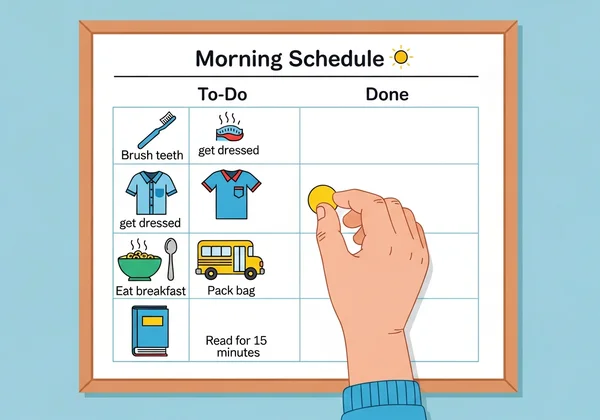
Words can be tricky, but pictures are universal. A visual schedule is a powerful tool for children with dyslexia. It provides a clear, easy-to-follow map of their morning tasks without relying on reading skills.
- Use Pictures or Icons: Create a chart with simple images for each step: brushing teeth, getting dressed, eating breakfast, putting on shoes.
- Keep it Linear: Arrange the tasks in a top-to-bottom or left-to-right sequence.
- Make it Interactive: Use magnets or Velcro tabs that your child can move from a "To-Do" column to a "Done" column. This provides a sense of accomplishment and helps them track their progress independently.
This approach supports their working memory and sequencing skills, empowering them to manage their own routine with confidence. If you're unsure where to begin with support, taking an online dyslexia test can offer a helpful starting point.
Homework Success Strategies
The word "homework" can trigger anxiety for both children with dyslexia and their parents. It often involves the very tasks that are most challenging: reading, writing, and organizing thoughts. However, with the right approach, homework time can become a more positive and productive experience.
The Chunking Method for Assignments
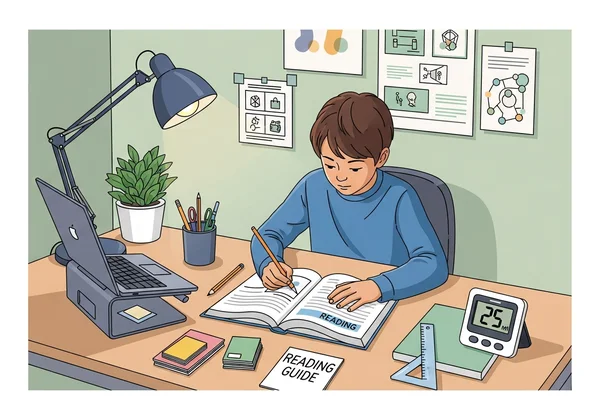
Looking at a full page of math problems or a multi-page reading assignment can be incredibly overwhelming. The "chunking" method involves breaking large assignments into smaller, more manageable pieces.
- Use a Planner: Write down each assignment, then break it into smaller steps. For a book report, steps might include "Read Chapter 1," "Write 3 bullet points about Chapter 1," and so on.
- Set a Timer: Use a timer for short bursts of focused work, like 15-20 minutes, followed by a 5-minute break. This is known as the Pomodoro Technique and can help maintain focus.
- Cover It Up: Use a blank piece of paper to cover the rest of the worksheet, revealing only one or two problems at a time. This reduces visual clutter and makes the task feel less daunting.
Creating a Productive Homework Environment
Where your child does their homework matters. A dedicated space can help signal to their brain that it's time to focus. This space doesn't need to be fancy, but it should be consistent and free from distractions.
- Minimize Distractions: The homework area should be quiet and away from TVs, tablets, and high-traffic areas of the house.
- Have Supplies Ready: Keep pencils, paper, erasers, and any other necessary tools in one place. This avoids time wasted searching for supplies.
- Ensure Good Lighting: Proper lighting can reduce eye strain, which is especially important for children who already find reading taxing.
A calm, organized environment reduces external stress, allowing your child to dedicate more of their cognitive resources to the task at hand.
Building Reading Confidence Through Daily Practice
The goal of reading practice at home is to build confidence and create positive associations with books. Avoid putting pressure on your child. Short, enjoyable, and consistent sessions work much better than long, stressful ones.

The 10-Minute Reading Technique
Commit to just 10 minutes of reading together every day. Consistency is more important than duration. During this time, the focus should be on connection and enjoyment, not perfection.
- Partner Reading: Take turns reading sentences or paragraphs aloud. This gives your child a break and models fluent reading.
- Echo Reading: You read a sentence aloud with expression, and then your child reads the same sentence, imitating your fluency and tone.
- Don't Over-Correct: If your child makes a mistake, don't jump in immediately unless it changes the meaning of the sentence. Constant correction can crush their confidence. Instead, gently offer the correct word after they finish the sentence if needed.
Incorporating Audiobooks Effectively
Audiobooks are especially helpful for children with dyslexia. They provide access to complex stories and rich vocabulary without the challenge of decoding text. This helps comprehension skills and vocabulary develop, allowing children to keep pace with their peers.
- Listen and Follow: Have your child listen to an audiobook while following along in the physical book. This technique, called "ear reading," helps connect the spoken word to the written word.
- Expand Their World: Audiobooks allow them to enjoy age-appropriate stories that might be too difficult for them to read independently.
- Make it Fun: Listen to audiobooks in the car, during chores, or while relaxing. This makes literature an enjoyable part of everyday life.
Understanding the specific nature of your child's reading difficulty can help you choose the best strategies. A free screening test can provide personalized insights.
Creating Lasting Change: Your Journey to a Dyslexia-Friendly Home
Creating a dyslexia-friendly home is a journey, not a destination. Small, consistent changes will build over time to create a supportive environment where your child can thrive. Remember that every child's journey with dyslexia is unique, so be patient and willing to adjust your approach as needed.
Your support and understanding make all the difference in helping your child build resilience and a lifelong love of learning. Ready to gain a deeper understanding of your child's learning profile? Taking the first step can feel empowering.
For personalized insights and recommendations tailored to your child's needs, start your dyslexia test now. It's free, confidential, and designed to help you unlock their full potential.
Frequently Asked Questions About Dyslexia-Friendly Home Routines
How long does it take to see improvements with these routines?
Consistency is key. You may notice a decrease in daily stress and conflict within the first week or two. Improvements in skills like reading fluency and organization will take longer and happen gradually. Celebrate small wins along the way to keep motivation high for both you and your child.
What if my child resists these new routines?
Resistance is normal when changing habits. Involve your child in the process. Let them help choose the pictures for their visual schedule or decide the order of their evening prep tasks. Giving them a sense of ownership can increase their cooperation. Start small with just one or two changes at a time.
How do I know which strategies will work best for my child?
Every child is different. The best approach is to observe your child and see where they struggle most. Start with the routine that causes the most friction—whether it's mornings or homework. To get a clearer picture of their specific strengths and weaknesses, a free online screening can provide valuable guidance.
Can these routines help if my child hasn't been formally diagnosed?
Absolutely. These strategies are based on principles of good learning design and can benefit any child, especially those who struggle with organization, attention, or reading. They create a supportive and predictable environment that reduces cognitive load, which is helpful for all learners, regardless of a formal diagnosis.